Thin Red Leaf Embroidery Design: A Professional Review
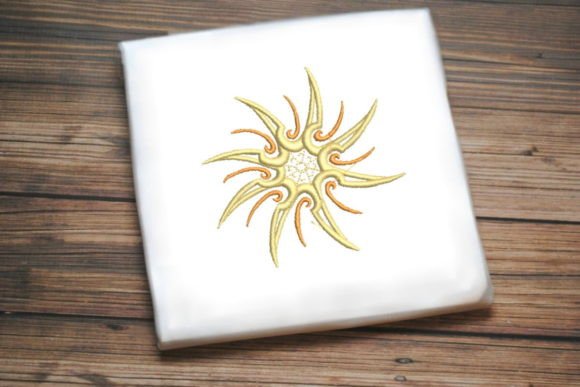
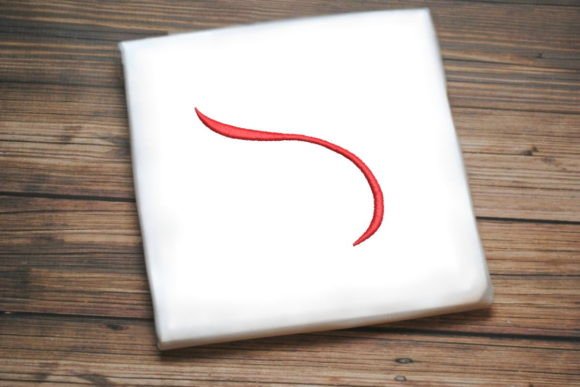
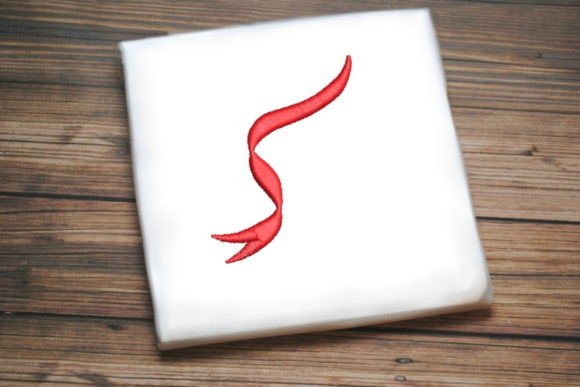
When considering a new embroidery file for real projects, the first impression is crucial. Thin Red Leaf presents itself as a simple, elegant single flower motif. The description suggests it’s fun and easy to stitch, which, from a professional standpoint, often translates to a design that is manageable in smaller hoop sizes and doesn’t require excessive stitch counts. Its visual mood leans towards delicate and decorative, rather than bold or dense. This personality makes Thin Red Leaf a natural fit for projects where a subtle, gorgeous enhancement is the goal.
Where Thin Red Leaf Finds Its Natural Home
This isn’t a design for a large statement piece. Instead, its charm lies in application as a tasteful accent. For commercial embroidery projects and handmade products, I immediately thought of several real-case scenarios. A single Thin Red Leaf stitched onto the corner of a linen kitchen towel or the strap of a canvas tote bag would elevate a simple item into a thoughtful handmade gift. On a baby blanket or nursery decor pillow cover, its elegant simplicity feels appropriate and safe.
For apparel decorators, it could serve as a subtle branding element on a cap’s curved surface or a small decorative touch on a sweatshirt sleeve or apron pocket. Its scale likely makes it suitable for creating embroidered patches, which could then be applied to various items. For Etsy sellers and craft fair vendors, this single flower design offers versatility; the same digital embroidery file can be used across a line of products like boutique merchandise, from baby items to home decor, creating a gentle brand consistency.
Practical Performance on Real Fabrics
Evaluating any machine embroidery design for real use requires thinking about the materials. The claim that Thin Red Leaf will look elegant on any fabric is promising, but in practice, preparation is key. On textured fabrics like towels or dense fabrics like bag canvas, using a proper stabilizer is non-negotiable to maintain the design’s integrity. For stretchy fabrics like sweatshirt fleece, a sturdy stabilizer and possibly a test on scrap fabric are essential to prevent puckering.
One must consider the stitch density. If Thin Red Leaf uses satin stitch for the leaf or fill stitch for any small details, stitching on dark fabric will require checking thread color contrast carefully. A white or light thread on a dark background can make even a gorgeous design look stark if the contrast is too high. Creating light and dark fabric mockups digitally before stitching can save time and materials. Furthermore, for items like caps or apparel that need frequent washing, the stability of the stitches after laundering is a concern. Designs with very dense areas can be less durable under stress, so the “fun and easy” description suggests Thin Red Leaf might avoid this issue.
The Impact on Product Value and Customer Perception
For creative entrepreneurs, the end product’s appeal directly impacts buyer trust and sales. A well-executed Thin Red Leaf embroidery can significantly enhance the handmade presentation of an item. On a simple pillow cover or tote bag, it adds a focal point that improves product photography and makes an Etsy listing more engaging. This decorative appeal increases giftability; a personalized gift featuring a clean, elegant design like this feels more intentional and high-quality.
For small business owners using printable mockups to sell digital products or design assets, a clean embroidered image can serve as a trustworthy example of the finished product. Consistency matters. If Thin Red Leaf stitches out reliably and looks as advertised, it becomes a dependable asset in your library for creating a cohesive line of embroidered goods.
Essential Pre-Stitching Checks
Before committing Thin Red Leaf to a customer order, a professional embroidery designer follows a routine. First, always confirm the file details and licensing on the Creative Fabrica product page before selling finished items. This is critical for commercial embroidery. Does the license allow for physical product sales? This information is paramount.
Next, without specific details on stitch count or hoop size in the provided description, one must rely on the product page. Before running the machine embroidery design, check the listed hoop size requirement. Does it fit your project’s physical constraints? Then, run a test on scrap fabric identical to your project material. This test allows you to inspect small details after stitching, review the actual stitch density, and confirm that the design is indeed “easy to stitch” without unexpected thread breaks or excessive jumps.
Finally, analyze the thread colors suggested or used in the preview. Are they achieving the elegant and gorgeous look you want on your specific fabric? Sometimes, a slight color adjustment can make the design feel more cohesive with your product line.
Final Thoughts for Fellow Crafters
Thin Red Leaf, from the Single Flowers category, appears to be a design focused on decorative appeal and straightforward application. Its strength for embroidery designers, Etsy sellers, and apparel decorators lies in its potential for versatile, subtle enhancement across a wide range of handmade products. It seems suited for projects where a dense, complex design would be overwhelming.
The key to success with any Creative Fabrica embroidery design, including this one, is due diligence. Its description points towards ease and elegance, which are valuable traits. However, your real project’s success depends on your preparation: testing, confirming licensing, and matching the design to the appropriate fabric and stabilizer. For a tote bag, a baby blanket, a kitchen towel, or a custom apparel accent, Thin Red Leaf could be a worthwhile addition to your digital library if it meets your specific technical and licensing requirements. It feels like a design that, when applied thoughtfully, can add that touch of handmade charm that customers genuinely appreciate.