Stylish One Line Flower Embroidery Design Review
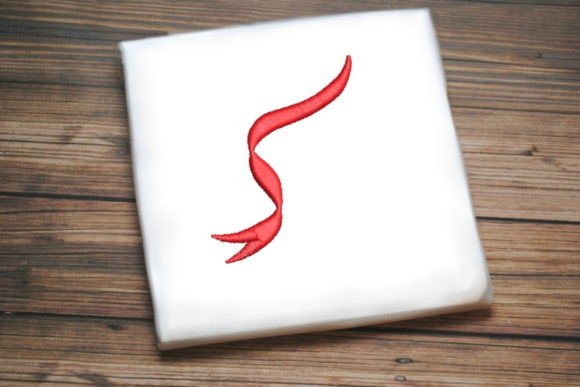
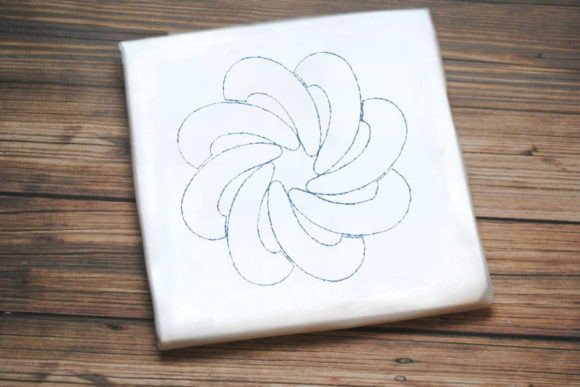
As an embroidery designer working with small businesses, I regularly evaluate digital embroidery files for their potential as branded merchandise and custom apparel. Today, I'm reviewing the Stylish One Line Flower, a machine embroidery design from the Single Flowers category, with a focus on its commercial application for patches, uniforms, and product branding.
First Impression and Visual Personality
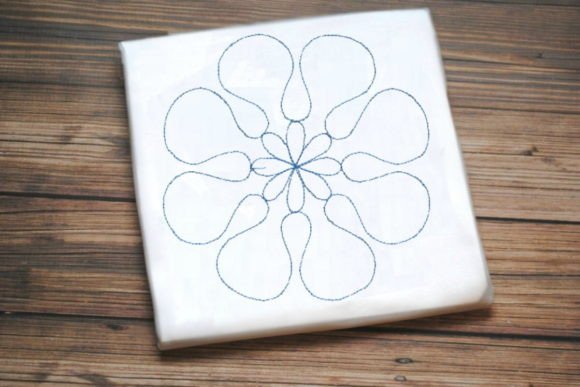
The title Stylish One Line Flower immediately suggests a modern, clean aesthetic. The promise of a design that is "fun and easy to stitch" while looking "elegant and gorgeous" points toward versatility. My first impression is that this embroidery file leans toward a contemporary, perhaps slightly minimalist, yet friendly and decorative style. It feels professional without being overly corporate, handmade without being rustic. This balance is crucial for small businesses like cafés, boutiques, creative studios, or florists who want to convey both quality and a personal touch.
Evaluating Real Business Use Cases
Let's translate that first impression into tangible business applications. How does the Stylish One Line Flower perform when stitched onto real items?
Embroidered Patches for Brand Identity
For a pet brand, bakery, or local shop, a custom embroidered patch is a powerful asset. It can be sewn onto tote bags, attached to product packaging as an accent, or used as a standalone customer gift. The one-line style likely means lower stitch density, which is excellent for patch production—it keeps the patch flexible and reduces production time. However, a critical designer note: you must test this design at a small patch size first. A design described as "one line" might rely on a continuous outline; if scaled down too much for a cap front or a small product label, the elegance could be lost, and lines might merge. Always stitch a sample.
Staff Uniforms and Professional Apparel
Imagine this flower on a café apron, a boutique staff shirt’s chest, or a gardener’s work shirt sleeve. Its elegant description suggests it could elevate a simple uniform without overwhelming it. For dark uniforms, thread color contrast is paramount. I advise testing it in black and white thread on your actual fabric to see if the single line provides enough visual pop. Also, consider the fabric texture; a "one line" design on a heavily textured fabric like a canvas apron might not read as clearly. Proper stabilizer choice is essential here.
Tote Bag Marks and Cap Embroidery
These are staple items for small business merch. For a tote bag design, this flower could serve as a perfect, subtle brand mark near the handle or as a larger focal point. For cap embroidery, the curved surface of a cap front presents a challenge. Before running a production order, confirm the hoop size required for the design size you intend to use and stitch a test on a real cap. The continuous line needs to lay flat on the curve without puckering.
Handmade Product Branding and Etsy Assets
For craft businesses and Etsy sellers, this design can add value to handmade products—stitched onto a tea towel, a pouch, or a garment as a signature detail. It enhances the handmade presentation with a consistent, professional-looking accent. Creating a printable mockup featuring the flower on your product is a fantastic way to gauge buyer engagement before you stitch a batch. It helps visualize the finished product and ensures visual consistency across your line.
Where to Use with Care
While the description is promising, certain applications require extra scrutiny.
Any item destined for frequent washing, like staff polos or kitchen aprons, needs a robust design. A one-line design with potential low stitch density might be less durable than a filled-in motif. Test its durability through a few wash cycles on your sample.
As mentioned, tiny sizing for product labels or tiny cap details risks losing the design's stylish character. The spacing within the single line is key; if elements are too close, they might blend after stitching.
Also, consider the design alongside your other design assets. If your brand logo is complex, this simple flower might be a perfect accent. But if your branding is also minimalist, it might need to be scaled or positioned carefully to avoid looking too sparse.
Impact on Brand Identity and Customer Trust
A well-executed embroidered element on your merchandise does more than decorate; it builds recognition. A consistent use of the Stylish One Line Flower across your aprons, tote bags, and event merch creates a subtle but cohesive brand language. It signals attention to detail, which fosters customer trust and enhances perceived product value. For a small business, this professionalism, communicated through a seemingly simple flower, can differentiate you in a crowded market.
Practical Designer Notes for Commercial Use
Before committing this design to a commercial embroidery project for your business, follow this checklist.
- Always stitch a physical test sample on the exact fabric and item you plan to use (cap, apron, patch material).
- Review thread color contrast against your typical background fabrics (dark uniforms vs. light totes).
- Compare the stitched sample beside your other branding elements to ensure harmony.
- Create a mockup for client approval if you are an embroidery shop providing this service to a business.
- Most critically, confirm commercial licensing for the digital embroidery file before using it for business merchandise. The product description provided does not specify license terms; you must verify this with the file seller.
- The description does not specify exact stitch count or file formats, so ensure the file you purchase is compatible with your machinery and suitable for your intended scale.
The Final Verdict for Small Business Merch
The Stylish One Line Flower presents a compelling opportunity for small businesses seeking an elegant, modern, and versatile embroidery accent. Its potential for patches, uniform detailing, and branded product add-ons is high, given its described nature. However, its success hinges on rigorous practical testing for each specific application—size, fabric, and placement. By treating it as a serious design asset and not just a decoration, you can leverage this embroidery file to strengthen your brand identity, increase the value of your merchandise, and engage customers with a cohesive, professional handmade aesthetic.