Yellow One Line Flower Embroidery Design Review
As a designer preparing for a weekend craft fair, my first task is to evaluate new embroidery files. Today, I’m looking at the Yellow One Line Flower, a high-quality machine embroidery design. My review is from a practical, sales-focused perspective: where will this design shine on my booth table, and how can I turn it into profitable handmade products?
First Impression: Elegant Minimalism with Bold Appeal
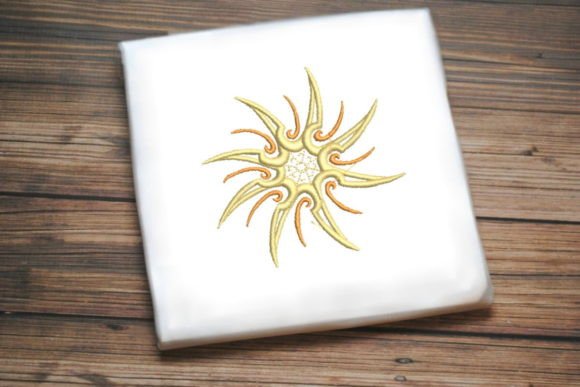
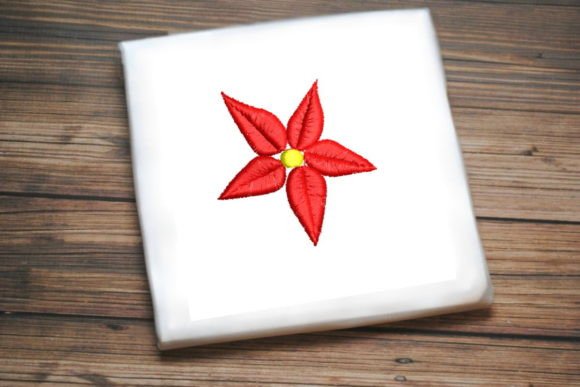
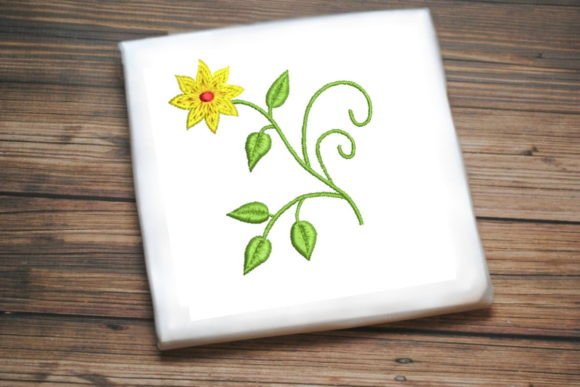
The name Yellow One Line Flower tells me a lot. This isn’t a fussy, detailed botanical illustration; it’s a clean, continuous-line drawing. That suggests a modern, elegant, and slightly premium feel. The single color focus (yellow) is a huge selling point. Yellow is inherently cheerful and eye-catching—it pulls customers in from across a busy market hall. This design feels minimal yet decorative, fitting perfectly into both modern minimalist aesthetics and softer, farmhouse-inspired styles. For a craft fair product, that versatility is gold.
Performance on Key Craft Fair Products
My display table will feature a range of items. Let’s see where the Yellow One Line Flower embroidery file makes the most sense.
Tote Bags and Market Bags
This is a top contender. A single, elegant yellow flower stitched onto a neutral canvas tote (beige, grey, navy) creates an instant handmade product with perceived value. The design isn’t overly dense, so it stitches quickly for batch production, and its simplicity ensures clarity even on textured bag fabric. It acts as a perfect focal point.
Aprons and Tea Towels
For apron embroidery or tea towel embroidery, this design excels as a small accent. Placed on a corner of a kitchen towel or on the bib of an apron, it adds personality without overwhelming the functional item. On light-colored linens, the yellow thread will pop beautifully. It photographs very well for Etsy listings.
Pillow Covers and Fabric Pouches
Here, the Yellow One Line Flower can be scaled. As a larger, repeated motif on a pillow cover, it creates a cohesive, custom look. On a small fabric pouch, a single medium-sized stitch makes it feel special and giftable. The design assets work across sizes.
Caps and Patches
This requires careful testing. The curved surface of a cap can distort designs, and small details can get lost. Since this is a one-line design, it might stitch cleanly on a cap if kept to a moderate size, but I’d test the design on scrap fabric first. For an embroidered patch, it’s fantastic. A yellow flower patch on dark denim or a backpack is highly visible and sells well to a younger crowd.
Practical Production and Selling Points
Turning a digital embroidery file into a sellable finished product involves several real-world checks.
Visual Clarity and Batch Production
The Yellow One Line Flower is easy to understand at a glance—a key factor for fast-moving fair customers. It works brilliantly as both a small accent and a scaled-up focal design. This repeatability is crucial for batch production. I can efficiently stitch it onto a dozen tote bags without worrying about complex color changes or stitch density issues that slow down the machine.
Photography and Online Sales
For my Etsy seller shop and printable mockups, clean, simple designs like this photograph exceptionally well. The high contrast of yellow on darker fabrics creates images that are sharp and appealing in online listings. It tells the story of handmade quality instantly.
Attention and Value at the Booth
In a booth display, a cohesive color story builds brand consistency. A series of products featuring this yellow flower creates a strong visual theme. Customers notice repetition and it boosts booth display strength. They might buy a matching set—a tote and a pillow cover—increasing overall sales. The design feels premium enough to justify a higher price point on well-made items.
Careful Use Notes for the Embroidery Designer
Even with a "fun and easy to stitch" design, practical hurdles exist.
- Fabric and Thread Contrast: On very dark fabrics (black, charcoal), the single yellow line will stand out dramatically. On light or white fabrics, you might need a richer, deeper yellow thread to maintain visibility. Always compare fabric colors and check thread contrast before bulk production.
- Stitch Density and Fabric Texture: While likely not overly dense, you must inspect stitch density on textured fabrics like tea towels. A light stabilizer is often key for clean stitches on linens.
- Scale and Clarity: When stitching this at a very small size (for a pouch corner or cap), test it first. Single-line designs can lose definition if scaled down too much, where tiny curves might become unclear. Confirm hoop size suitability for your intended product scale.
- Real Mockup and Licensing: Never skip creating at least one real mockup. Stitch it on the actual product fabric you plan to sell. This reveals any tension or framing issues. Also, as a small shop product intended for commercial embroidery, always confirm commercial licensing before selling finished products. The description doesn’t specify this, so checking with the file provider is essential.
Final Judgment for the Craft Fair Entrepreneur
The Yellow One Line Flower is a strong contender for my upcoming market. Its elegance and bold color make it a versatile single flowers design that translates across multiple product lines. It’s practical to produce in batches, photographs beautifully for online and print promotion, and creates a cohesive, attention-grabbing theme in a physical booth. For creative entrepreneurs selling handmade gifts, it adds personality and perceived value with minimal production complexity. My recommendation is to focus it on high-impact items like tote bags and pillow covers, where its modern minimalism and cheerful color can truly command customer attention and drive sales.