The Minimalist Red Leaf Embroidery Design in Practice
When you're browsing through embroidery files for a project, whether it's for a client order or your own shop inventory, you quickly learn to look beyond the thumbnail. The true test of a design is how it performs under the needle and on the final product. Let's talk about the Minimalist Red Leaf design from that practical, hands-on perspective.
A First Impression: Elegance Without Effort
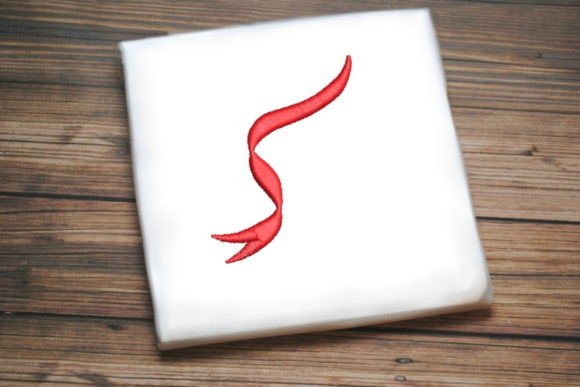
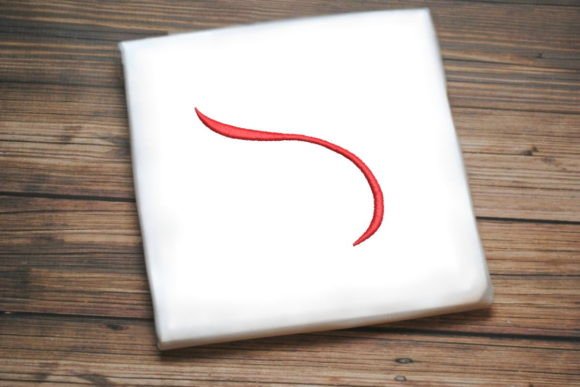
The immediate appeal of the Minimalist Red Leaf is its clarity. It’s a confident, solitary shape—a single red leaf rendered with a clean, uncluttered line. This isn't a botanical study; it's a statement. The mood it creates is modern, sophisticated, and quietly bold. It feels adaptable, possessing a visual personality that is neither fussy nor overly casual. This makes it belong naturally to a wide range of projects: think elevated everyday items. My mind goes instantly to a custom linen tote bag, a finely embroidered pillow cover for a boutique, or a subtly personalized sleeve on a high-quality sweatshirt. It’s a design that promises to add value without overwhelming the base product.
Where This Leaf Thrives: Real Project Applications
In real-life embroidery situations, this simplicity is its greatest strength. For custom apparel like t-shirts and sweatshirts, it offers a quick stitch time and a result that looks intentional and professional, not like an afterthought. On tote bags and aprons, it becomes a clean branding element or decorative accent that won't get lost in the fabric's texture. I’ve found designs like this to be particularly successful on baby clothes and nursery decor items—a single, elegant leaf on a blanket or romper feels timeless and giftable, avoiding the clutter of more complex themes.
For small business owners and Etsy sellers, the Minimalist Red Leaf is a versatile asset. It can anchor a line of kitchen towels or tea towels with a consistent, recognizable motif. As an embroidered patch, it’s crisp and legible. For holiday gifts or wedding gifts, its neutrality and elegance mean it fits a wider range of recipient tastes. When creating printable mockups or digital product previews for your shop, this kind of design photographs well—the clean lines translate clearly, building customer trust in the handmade presentation. It supports brand consistency precisely because it’s not a trend-driven graphic; it’s a classic shape.
A Scenario: Preparing a Boutique Tote Bag
Let’s walk through a typical use case. You’re preparing a batch of canvas tote bags for your small shop or a client’s boutique. You want an embroidery design that feels premium but doesn’t require a huge stitch count or complex color changes. The Minimalist Red Leaf comes up. You test it first on scrap canvas, checking thread color contrast. A deep crimson or a true scarlet against the natural fabric creates an instant pop. The stitch density appears manageable; it won’t make the bag stiff or heavy. You confirm the hoop size needed—likely a modest one—and run the file. The result is exactly as previewed: a crisp, elegant leaf. It elevates the simple tote into a sellable, giftable product. A customer’s engagement is visual and immediate—they recognize the quality of a clean, well-executed motif.
Careful Considerations and Designer Notes
While the design is described as versatile, a professional always thinks through its limitations. On very small hoop sizes, the clean lines should remain intact, but you must inspect the small details in the digitized file itself—are any corners or curves overly tight? On textured fabrics like thick wool or bouclé, the elegance of a minimalist shape can get lost; a smooth, tight-weave fabric is its best friend. On thin or stretchy fabrics, proper stabilizer choice is paramount to prevent puckering and maintain that gorgeous silhouette.
One of the most important tests is on dark fabric. A single red leaf on a black or navy background requires careful thread selection—you might need a slightly brighter red to maintain the same visual impact compared to stitching on white. For products needing frequent washing, like baby items or kitchen linens, the simplicity is again a benefit: fewer stitches mean less wear and tear over time.
Practical Steps Before You Stitch
My standard workflow for any design, including the Minimalist Red Leaf, involves a few non-negotiable checks. Always test on scrap fabric first, using the same material and stabilizer as your final project. Review the stitch density by actually stitching it—does it feel appropriate for your fabric weight? Compare it in both light and dark fabric mockups, even just in black and white on screen, to judge its contrast adaptability. Crucially, if you are using this for commercial embroidery projects or selling the finished product, confirm the licensing terms of the embroidery file. Understand whether it’s cleared for commercial use, digital product resale, or both. This protects your craft business and ensures professionalism.
The Final Impact on Your Work and Business
Choosing a design like the Minimalist Red Leaf isn't just about finding a pretty image. It's about selecting a tool that enhances your efficiency and the perceived value of your work. Its stitching clarity translates directly to customer trust—a clean, sharp embroidery looks professional and well-made. For personalized gifts, it feels intentionally chosen, not random. For your small shop merchandise, it can become a signature element across different products, from apparel to home decor.
In the end, this single flowers category design earns its place by being reliably excellent in execution. It doesn’t try to do too much, and therefore, it does its one job perfectly. It asks for thoughtful application from you, the designer, regarding fabric, color, and placement. When paired with that expertise, the Minimalist Red Leaf becomes more than a digital embroidery file; it becomes a consistent, quality-driven element in your creative or commercial repertoire. That’s the kind of practical asset that makes real project work smoother and more successful.