White Star Satin: A Designer's Craft Fair Review
First Impressions of White Star Satin
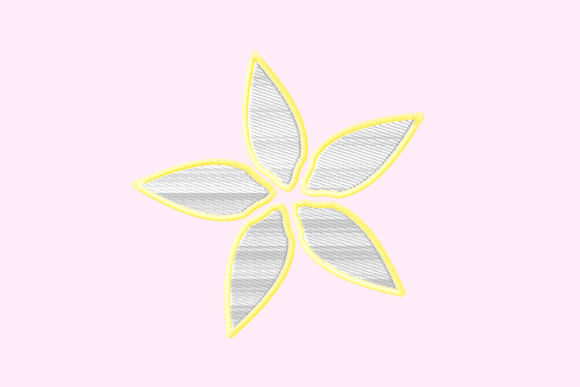
When I unzip a new machine embroidery design file, the first thing I look for is instant booth appeal. White Star Satin delivers that in a quiet, confident way. The name alone suggests a clean, satin-stitched star motif—something that feels both casual and elegant at the same time. This isn't a loud, flashy design. It leans into simplicity, and that is exactly what handmade product buyers gravitate toward at a busy craft fair. A white star, rendered in smooth satin stitches, reads as fresh, modern, and surprisingly versatile. It could sit beautifully on a rustic tea towel, a crisp apron, or a canvas tote bag without overwhelming the fabric.
My immediate thought is how well this design would photograph for Etsy listings and social media. Its likely high contrast against darker backgrounds makes it a dream for printable mockups and shop displays. The word "satin" hints at a lustrous finish—something that catches real booth lighting and draws the eye from across the aisle. I picture a row of market bags hanging in my booth, each with a single White Star Satin accent, and I already know they would stop shoppers mid-stride.
Why This Design Works for Craft Fair Sellers
Every embroiderer who sells at markets knows that designs must be readable from three feet away. White Star Satin, with its bold star shape, passes that test easily. The star is a universal symbol. It doesn't need explanation. Customers see it and immediately understand what they are buying. That instant recognition is pure gold when someone is scanning a crowded table. The design's elegance also means it can cross categories effortlessly—coastal, celestial, farmhouse, patriotic, or even minimalist. A single design that fits multiple themes is a vendor's secret weapon, because it reduces the number of designs you need to test and stock.
From a production standpoint, the design is likely to be repeatable. A moderate stitch count and a single dominant color keep machine time reasonable. I can run multiple units in an afternoon, which is crucial when I'm restocking bestselling items between fair days. The satin stitch structure, if digitized well, will lay down quickly and look polished on a variety of base fabrics. I appreciate that White Star Satin doesn't try to do too much. It trusts the star to carry the visual weight, and that confidence translates directly into a premium handmade product.
Best Products to Showcase White Star Satin
In my booth, I test every design on the products that actually sell. Here is where I would place White Star Satin first:
- Canvas tote bags: A white star centered on a natural or navy tote is a perennial bestseller. It looks intentional, giftable, and coordinates with any outfit. The flat weave of canvas holds satin stitches beautifully.
- Linen aprons: An apron with a single star near the pocket or chest feels like a boutique kitchen find. I would use a soft, off-white thread to match the "satin" feel, creating a subtle tone-on-tone look on natural linen or a crisp contrast on dark denim aprons.
- Tea towels: A star on a flour-sack towel is a classic. I would stitch it in the corner or as a centered motif, pair it with a simple border, and sell it as a set. The flat, absorbent fabric is forgiving and shows off the satin's sheen.
- Pillow covers: A single large White Star Satin on a throw pillow cover is instant decor. It would work for a farmhouse porch, a kid's room, or a coastal living room.
- Small fabric pouches: A tiny star accent on a zipper pouch elevates a simple accessory into a handmade gift. This is the kind of item that sells quickly at the $10–$15 price point.
- Embroidered patches: Stitch White Star Satin on felt or twill, trim it, and finish the edge. Patches are a huge impulse buy at craft fairs, and a star is a symbol people love to collect.
- Market bags and caps: A curved cap brim can be tricky, but a small star works well off-center. On a foldable market bag, it adds a touch of personality without adding bulk.
For each product, I consider how the design photographs. White Star Satin, with its clean lines and satin sheen, will look exceptional in a flat lay with natural textures—wood boards, dried flowers, or linen backdrops. That visual appeal translates into higher click-through rates on Etsy and Instagram, directly impacting sales for small shop owners.
Production Notes Every Seller Should Read
Before I stitch a single product for the public, I always run a test. Here are the specific points I would check with White Star Satin:
- Stitch density: Satin stitches can be dense. On thick fabrics like canvas, that's fine. On lightweight cotton or thin towels, too much density can cause puckering. I test on scrap fabric first, adjusting tension and stabilizer as needed.
- Thread colors: The name implies white, but I would experiment. A bright white gives a crisp, modern look. A soft cream or antique white leans into the "satin" elegance. I might even test a metallic silver or pale gold thread for a premium holiday product.
- Hoop size and placement: The description doesn't specify dimensions, so I check the actual file before purchasing. I need to know that the design fits my most-used hoops—typically 4x4 or 5x7. If it's a larger star, I plan my product lineup accordingly.
- Stabilizer choice: For satin stitches, I use a medium-weight cutaway stabilizer on knits and a tear-away on woven fabrics. I would not skip the stabilizer on anything stretchy, or the star's edges might distort.
- Fabric texture: Textured towels, waffle weaves, and fleece can swallow fine details. I test White Star Satin on a few different substrates to see if the star's points stay sharp. If the design has tiny detailed corners, I might need to size it up slightly to maintain clarity.
- Small lettering or tiny details: The product description doesn't mention text, but I always inspect the design for any small elements that could disappear at smaller sizes. If the star includes a delicate outline or inner detail, I would stitch it at 100% size first, then try scaling down to see if it remains legible.
- Dark fabric considerations: A white star on black fabric is striking, but it can also highlight every stitch inconsistency. I use a high-quality bobbin thread and ensure my top tension is perfect so no dark bobbin thread peeks through.
I also make a note about the design's origin. The description says "This machine embroidery design comes with mu" and then cuts off, so I cannot confirm the full file format, stitch count, or commercial license. I always check these details before buying. For a craft fair business, I need a design that allows me to sell finished products, and I verify the license terms directly with the seller. If the file is from a category like Intricate Cuts, I would expect a clean, well-digitized design that handles curves and points smoothly. My advice: don't assume—always confirm.
How White Star Satin Enhances Booth Display and Branding
At a craft fair, booth cohesion matters. I often build a collection around a single design or a small set of complementary motifs. White Star Satin could anchor a "Starry Night" or "Coastal Stars" collection. I would group all my star-embroidered items together—towels, totes, pouches—to create a visual story. The repetition of the star across products makes the booth feel curated, and that increases perceived value. Buyers are more likely to purchase multiple items when they see a coordinated set.
Because the design is elegant yet casual, it pairs well with other simple elements. I might add a few products with small stars as accents, and then feature one larger statement piece like a tote bag with a bold, centered White Star Satin. The satin finish catches the light, so I would position those items near the front of the booth where sunlight or spotlights hit them. This subtle shimmer helps communicate quality—a handmade product that doesn't look mass-produced.
For online sellers, this design is a strong asset for digital embroidery file shops. A clean, versatile star sells well as a standalone file, because customers can easily picture it on their own projects. If I were listing this design for other crafters, I would include multiple mockup photos showing it on different products and in different thread colors. The more I can help customers visualize the finished product, the more likely they are to buy.
Practical Tips for Batch Production
Experienced sellers know that speed and consistency are key. White Star Satin, with its likely straightforward stitch sequence, is ideal for batch production. I can hoop multiple items in quick succession, swap out thread colors, and keep my machine running efficiently. I would cut all my fabric blanks ahead of time, and set up a production line. For a design like this, I would also create a few "booth samples" in advance—items that are stitched out but not for sale, simply to show the design's scale and finish. That way, customers can touch and feel the satin texture without handling my inventory.
One caution: satin stitches can be bulky. On items like tea towels, I always place a sheet of lightweight stabilizer on top of the fabric before stitching to prevent the stitches from sinking into the nap. I also press my finished pieces carefully, using a press cloth to protect the thread's sheen. A well-pressed star looks luxurious; a wrinkled one looks careless. These small details are what separate a forgettable product from a bestseller.
Would I Put White Star Satin in My Craft Fair Booth?
Absolutely. The design's simplicity is its greatest strength. It doesn't try to follow a fleeting trend, and that makes it a reliable seller year after year. I can see it on baby blankets, holiday ornaments, tote bags, and kitchen linens. It fits the "casual and elegant" description perfectly—a versatile star that works for a wide range of customers. If I were to offer just one critique, it would be to test the design's final size carefully. Some stars can look too chunky or too delicate depending on the digitizer's choices. But based on the name and the category, White Star Satin promises to be a clean, eye-catching addition to any handmade product line.
For the serious craft fair seller, I recommend purchasing this machine embroidery design, running your own tests, and then deciding which products fit your brand. Pair it with a consistent thread palette, choose high-quality fabric blanks, and you'll have a product that commands attention and earns repeat customers. Whether you sell on Etsy, at weekend markets, or through your own small shop, White Star Satin is the kind of design that quietly does the work—and keeps your booth feeling fresh, polished, and unmistakably handmade.