Cross Twigs Border: A Designer's Review for Craft Fair Success
As someone who has spent years preparing embroidery designs for the hustle of handmade markets, I look at every pattern with a specific lens: will it sell on a crowded Saturday morning? When I review a design like Cross Twigs Border, my mind immediately jumps to my booth setup—the tote bags hanging on a rack, the aprons folded neatly, the pillow covers propped up to catch the light. This review is my real-world judgment of this embroidery border, focused on its potential as a product you can produce, display, and sell with confidence.
First Impression: Fresh Yet Classical
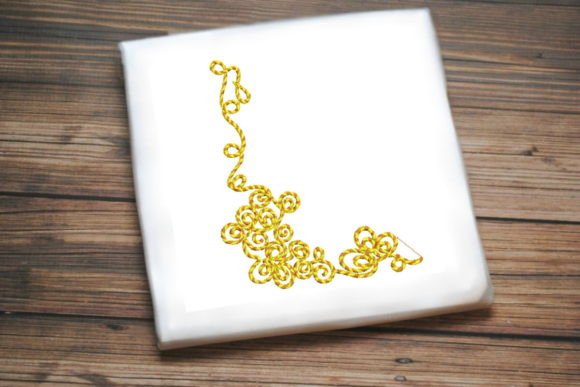
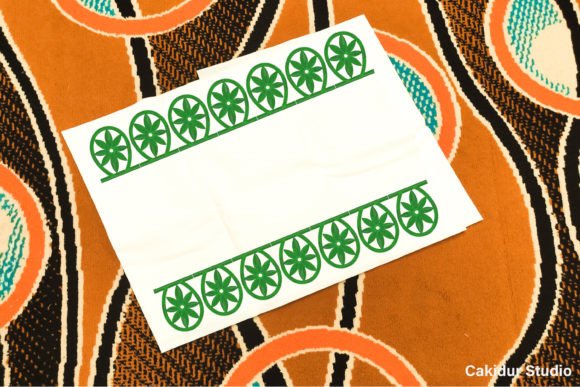
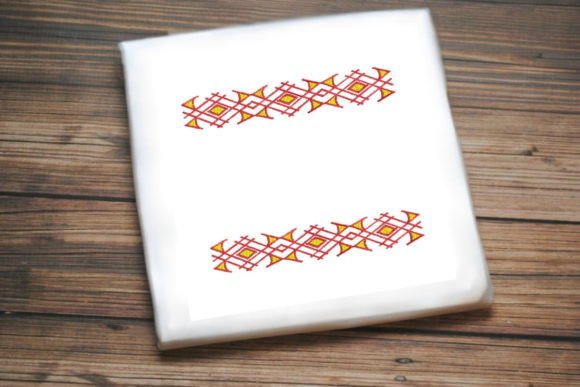
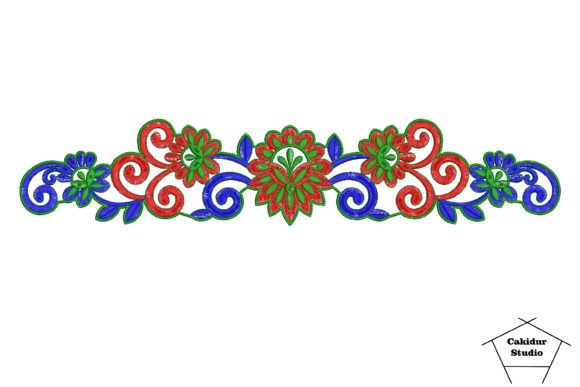
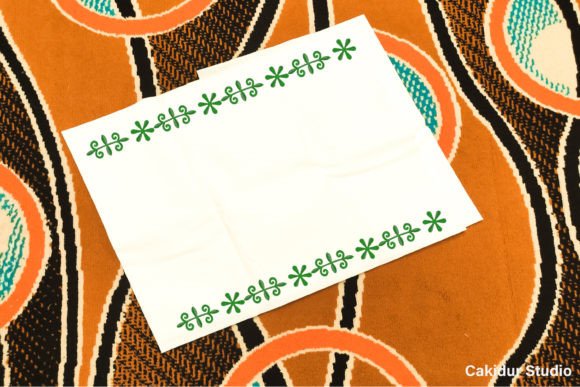
The product description calls it "fresh and classical," and that’s a spot-on starting point. The name Cross Twicks Border suggests a natural, almost rustic intertwining, while "flowers in abstract shapes" hints at a modern twist. This combination is powerful at a craft fair. It doesn’t scream a specific trend like "full-blown farmhouse" or "ultra-minimalist," which can be limiting. Instead, it feels decorative and versatile. It has a soft elegance that could appeal to a customer looking for something pretty but not fussy, and a structured geometry that might attract someone wanting a clean, modern accent. This balanced mood is a commercial advantage—it widens your potential buyer pool.
Where Cross Twigs Border Will Stand Out on Your Table
Your booth is a visual story. You need designs that create focal points and guide customer eyes. Here’s where I believe Cross Twigs Border would shine.
- Tote Bags & Market Bags: A border design running along the bottom hem or top edge of a bag instantly elevates it from simple to special. It looks intentional and finished, suggesting higher quality.
- Aprons & Kitchen Towels: For these utilitarian items, a border along the edge or across a pocket adds that "fresh" accent perfectly. It feels handmade and giftable without overwhelming the item's function.
- Pillow Covers: This is a potential standout. A crisp border along the pillow's edge can frame it beautifully, offering a more subtle, sophisticated alternative to a large central motif.
- Small Pouches & Caps: As a smaller accent—perhaps along a zipper flap on a pouch or curved along the back seam of a cap—it can add delightful detail. This is key for products where a large design might feel too heavy.
- Embroidered Patches: If the design file allows for it, turning this border into a standalone patch could be brilliant. Patches are hot, and an abstract floral border patch could be applied to denim jackets, backpacks, or laptop sleeves, offering versatility.
Practical Production: Making It Work for Your Business
Turning a digital embroidery file into a stack of sellable products requires practical thinking. Let’s break down the production and selling points for Cross Twigs Border.
Design Comprehension & Scale
The abstract floral shapes should be relatively easy to understand at a glance. Customers at a fair decide quickly; a confusing pattern won't sell. This seems clear. A crucial question is scale: is this best as a small accent or a large focal design? Given it’s a border pattern, its strength is likely in repetition and linear application. Test it. Can it be enlarged to become a bold, central frame on a tea towel? Or is it most effective at its intended, perhaps smaller, size as a delicate trim? Always test on scrap fabric first to see how the stitch density behaves at different sizes.
Photographing for Online & Etsy Listings
For your Etsy shop or online listings, borders can photograph exceptionally well. Lay a towel with the border along its edge flat on a rustic table—the linear design creates a clean, strong visual line that looks professional. On a tote bag, photograph it hanging with the border clearly visible. The abstract elements should provide enough visual interest without being chaotic, making for attractive, sellable photos and printable mockups.
Batch Production & Repeatability
Is this design repeatable for batch production? Borders often are. If the design file is well-digitized with consistent stitch density, you could efficiently run a series of tea towels or pillow covers. However, pay close attention to the description's mention of "abstract shapes." Intricate, dense abstract areas can mean higher stitch counts and longer machine run times. Check the stitch density before committing to a large batch. Also, consider thread color changes—simpler color palettes mean faster production.
Careful-Use Notes for a Smooth Process
Experience teaches us to anticipate hiccups. Here are my designer notes for applying Cross Twigs Border successfully.
- Fabric Texture: Textured fabrics like linen tea towels can be beautiful but may require a heavier stabilizer to keep the abstract shapes crisp. Always match your stabilizer to the fabric.
- Dark Fabrics & Thread Contrast: This "fresh and classical" accent likely calls for lighter thread colors. On dark fabrics, ensure you use high-contrast threads (bright whites, soft creams, light pastels) so the design pops and doesn’t lose clarity.
- Curved Surfaces (Caps, Pouches): Applying a linear border to a curved surface like a cap requires careful hooping and possibly adjusting the design placement. Confirm the required hoop size from the design details before starting.
- Tiny Details: Abstract flowers might include small details. If you plan to shrink the design significantly for a small product like a patch, test first! Small, dense details can become muddled.
Boosting Your Booth’s Appeal & Product Value
Finally, how does this design affect the bigger picture—your brand, your booth’s strength, and the perceived value of your work?
Cross Twigs Border, when applied well, screams handmade quality. A clean, precise border on a simple item tells a customer that care was taken. It can enhance brand consistency if you use it across a coordinated product line—border-trimmed towels alongside border-trimmed aprons create a cohesive, professional booth display. This cohesion strengthens your display and draws buyer engagement; people notice thematic repetition.
It also adds value without a huge cost increase. A plain tea towel is a basic item. A tea towel with a beautiful embroidered border is a giftable handmade product with a higher price point. The design provides the justification for that premium.
Your Final Pre-Production Checklist
- Create a Real Mockup: Before producing anything for sale, stitch Cross Twigs Border on a real scrap of your intended fabric (e.g., canvas for a tote, linen for a towel). This is non-negotiable.
- Check Thread Contrast: Stitch it on both light and dark scraps to see how it reads.
- Review Spacing & Alignment: Ensure the border sits straight and aligns nicely on your product template.
- Confirm Commercial Use: The description mentions it's a machine embroidery design. As a small shop product seller, you must verify the digital embroidery file's license explicitly allows commercial use of finished products.
- Compare Fabric Colors: Lay your mockup against other fabrics in your lineup. Does it complement your other products for a harmonious booth?
In summary, Cross Twigs Border presents a versatile, aesthetically balanced opportunity for craft fair sellers and embroidery business owners. Its fresh yet classical vibe fits multiple products, particularly those where a linear accent enhances functionality and perceived value. With careful pre-production testing—especially regarding scale, fabric choice, and stitch density—this design can become a reliable, attractive part of your handmade market repertoire, helping your products stand out in a crowded, creative marketplace.