The Caged Flower Border: A Designer's Practical Review
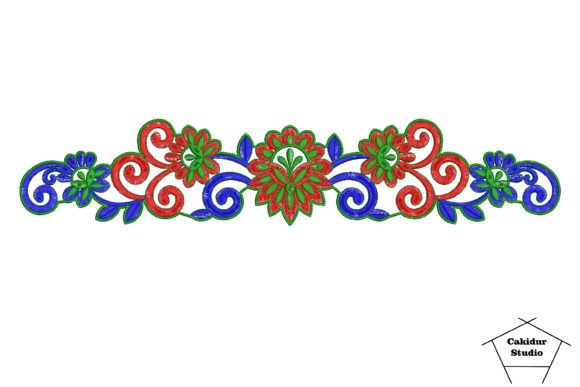
Every embroidery designer knows the feeling: opening a new file and immediately visualizing the finished project. The Caged Flower Border pattern triggered that exact spark for me. It’s an abstract floral ornament, as described, but its real value lies in how it translates from a digital preview into a tangible, stitched piece. Today, I’m sharing my practical judgment of this design from the perspective of someone who’ll use it in client projects, handmade products, and shop merchandise.
First Impressions: Elegance With a Modern Edge
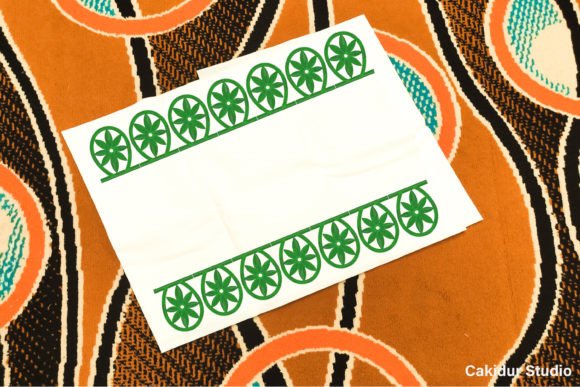
The name "Caged Flower" is evocative. It suggests a delicate beauty framed within a structure, and the design delivers that mood perfectly. My first impression was of a sophisticated, slightly modern floral motif. It doesn’t scream "traditional rose garden"; it whispers "curated boutique." This visual personality makes it incredibly versatile. I immediately thought of it gracing the hem of a linen pillow cover or running along the strap of a canvas tote bag—places where you want an exquisite look without overwhelming the base fabric.
The layout as a border is inherently practical. It's designed to flow, which means it naturally belongs to projects with edges: apron bottoms, blanket borders, tea towel hems, or the curved brim of a cap. The abstract nature of the flowers means the detail level is balanced—not so dense that it becomes a stitching challenge on thinner fabrics, but with enough shape and variation to feel special and hand-crafted.
Where the Caged Flower Border Shines in Real Projects
Let’s walk through a real-life scenario. Imagine you’re preparing a custom embroidered tote bag for a small shop’s summer launch. You want the bag to feel premium, a piece someone carries proudly. A single, large motif might feel too central, but a border design along the top edge creates a refined, finished look. The Caged Flower Border would be a perfect contender here.
Its abstract floral theme leans feminine but not overly floral, appealing to a wide audience. Stitched in a soft sage green or a deep navy on natural canvas, it elevates the product instantly. This is the kind of detail that boosts perceived value and customer trust in your handmade presentation. For an Etsy seller or a craft fair vendor, it turns a simple bag into a signature item.
This thinking extends to many other applications:
- Custom Apparel: Running vertically along the sleeve of a sweatshirt or horizontally across the back of a t-shirt creates a unique, designer touch.
- Home Decor: Pillow covers and kitchen towels are classic candidates. The border format frames the item beautifully.
- Personalized Gifts: On a baby blanket or nursery decor item, it offers a gentle, artistic theme without being too childish.
- Boutique Branding: As a repeated element on small shop merchandise like aprons or caps, it can build subtle brand consistency.
Even for digital product sellers creating printable mockups or design assets, this design has clear appeal for showcasing potential finished products.
A Note on Careful Application
No design is universally perfect, and a practical review must consider where to proceed with caution. The Caged Flower Border, with its presumably mix of satin stitches and fill stitches for the floral elements, needs mindful placement on certain substrates.
On highly textured fabrics, like a thick boucle sweater, the finer details might lose clarity. On very thin or stretchy fabric, such as a lightweight t-shirt, stitch density and proper stabilizer become paramount to prevent puckering. Dark fabric backgrounds require careful thread color contrast planning—test in a black and white mockup first to see if the composition holds its shape.
Also, consider the scale. While it's a border, it likely has a minimum effective size. On a very small hoop size, or on a curved surface like a cap where the design might need to condense, inspect the small details in a test run. Are the "caged" elements still clear? Would dense stitch areas become too stiff for a comfortable cap? Always stitch it on scrap fabric first.
Practical Designer Notes Before You Hoop
Before committing this embroidery file to a final project, especially for commercial embroidery or selling the finished product, run through this checklist.
- Test the design on a scrap of your intended project fabric. Check for stitch clarity and fabric behavior.
- Review your thread color choices against both light and dark fabric backgrounds if you plan to use it across product lines.
- Confirm the hoop size required. Does it fit the dimensions of your target item, like a tea towel or pillow edge?
- Use the proper stabilizer for your fabric type. This is non-negotiable for professional results.
- Inspect the small details after your test stitch. Are any areas too delicate for the fabric texture?
- Most importantly, if you are selling the finished items or using it as a commercial design asset, confirm the licensing terms of the embroidery file. Never assume.
These steps protect your time, materials, and reputation.
The Impact on Your Craft and Business
Choosing a design like the Caged Flower Border isn't just about aesthetics; it's a strategic decision for creative entrepreneurs. A well-executed border on a simple product creates a high-impact, giftable item. It feels considered and professional. For your customer, that translates to recognition of quality and a stronger engagement with your brand.
For apparel decorators or makers focusing on personalized gifts, this design offers a beautiful alternative to standard lettering or blocky graphics. It can frame a name or date delicately, or stand alone as the star. Its elegance supports a higher price point in a craft business because the result looks expertly made.
Ultimately, the Caged Flower Border pattern, as an abstract floral ornament, delivers what it promises: an extraordinary look. But its true worth is proven in the hoop, on the fabric, and in the hands of a delighted customer. It’s a design that encourages you to think about edges and frames, about subtle branding and refined finishes. Approach it with a practical plan, and it will undoubtedly become a valuable asset in your embroidery project repertoire.