Putting the Cute Red Apple Embroidery Design to Work
Whenever I’m sourcing embroidery designs for professional projects, I look beyond the promotional description. My criteria is simple: will this file perform on real fabrics and add genuine value to a finished product? Today, I’m sharing my hands-on review of the Cute Red Apple embroidery design from Creative Fabrica.
First Impression: A Design Built for Versatility
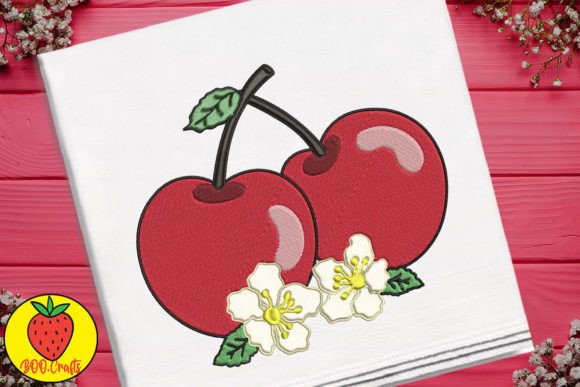
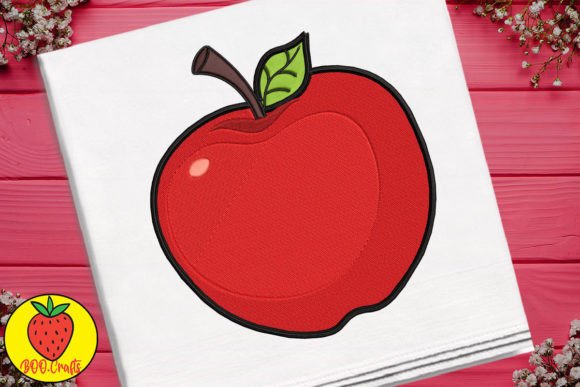
The initial appeal of the Cute Red Apple is its straightforward, cheerful personality. It’s a decorative, illustrative apple, not a hyper-realistic one. This gives it a wide application range—it feels suitable for a child’s apron, a boutique kitchen towel, or a cozy fall sweatshirt. The detail level appears balanced, aiming for visual clarity rather than overwhelming stitch density, which is a positive sign for successful stitching on various materials.
Its mood is playful and slightly rustic, making it a natural fit for projects with a handmade, giftable feel. For Etsy sellers and craft fair vendors, this is a design that communicates warmth and approachability, which can directly enhance a product’s perceived value.
Performance in Real Project Scenarios
In my evaluation for commercial use, I considered several common applications. On custom apparel like sweatshirts and t-shirts, the Cute Red Apple should act as a clean, focal point. Its likely composition—using satin stitches for outlines and fill stitches for the body—means it will have good definition without being too stiff or heavy for stretchy fabrics, provided proper stabilizer is used.
For baby items, blankets, and nursery decor, the cute aesthetic is immediately appropriate. However, on these softer, often textured fabrics, I would always advise testing on a scrap first. Checking that small details, like a stem or leaf, stitch out clearly without puckering is crucial for maintaining a high-quality handmade presentation.
On tote bags, aprons, and pillow covers—typically more stable substrates—this design should be very reliable. It’s the type of embroidery file that can elevate a simple canvas tote into a desirable, branded product. For kitchen towels and aprons, the food category connection is a natural selling point that buyers instantly understand.
Navigating Practical Embroidery Challenges
A professional’s review always involves anticipating hurdles. For the Cute Red Apple, certain practical notes come to mind. If the design incorporates very small lettering or intricate layered details, it might require careful attention on curved surfaces like caps. A common issue with decorative fruit designs is dense red fill stitch areas; on dark fabric backgrounds, you must ensure your thread color contrast is high enough to keep the apple vibrant and readable.
Since the description mentions it will look great on hats, confirming the minimum required hoop size from the product page is essential. A design that fits in a smaller hoop opens up more applications for patches and children’s apparel. Regardless of the project, using the correct stabilizer for the fabric—whether it’s a towel, a stretchy sweatshirt, or a cap—will make or break the final result.
Products destined for frequent washing, like towels or everyday apparel, need a robust stitch construction. Before running a production batch, inspect a test piece after washing to ensure stitch integrity. This protects your brand consistency and buyer trust.
Essential Pre-Stitching Checklist
- Always test the embroidery file on a scrap of your intended project fabric.
- Compare thread colors for both light and dark background mockups digitally before stitching.
- Review the actual stitch density by examining the file in your software; avoid overly dense areas that might cause fabric distortion.
- Confirm all file details and licensing terms on the Creative Fabrica product page before selling any finished items.
- For commercial embroidery, ensure the file is compatible with your machine’s requirements.
Impact on Product Value and Customer Appeal
From a business perspective, a well-executed Cute Red Apple embroidery adds measurable value. On a handmade product, it provides a focal point that feels both custom and professional. For gift items—think personalized baby blankets or holiday kitchen sets—the design’s cute, universal appeal increases its giftability.
In product photography for your Etsy listings or website, a clean, crisp apple embroidery creates a strong visual anchor. It helps customers immediately grasp the product’s theme and quality. For a small business owner building a line of food-themed merchandise, this design can contribute to a cohesive, recognizable brand look.
As an embroidery designer, I see the Cute Red Apple as a functional design asset. Its strength lies in its versatility and clear decorative intent. It’s not a highly complex technical file, but that’s often what makes a design most useful for a wide range of crafters and entrepreneurs. By following good embroidery practices—testing, stabilizing, and color planning—you can transform this digital embroidery file into a profitable, charming finished product.
Ultimately, the worth of any embroidery design comes from its real-world performance. Based on its described application and visual mood, the Cute Red Apple appears to be a solid choice for projects requiring a friendly, food-themed embellishment. Your final step should always be a careful review of the specific product page details to confirm it meets your project’s technical and commercial needs.