Blueberry Charm: Designing with a Cute Blueberry & Leaves Motif
As an embroidery designer preparing a limited drop for a boutique sweatshirt collection, every digital embroidery file gets a thorough review. The moment I opened the Cute Blueberry and Leaves design, its potential for premium apparel became clear. This isn’t just a generic food icon; it’s a decorative motif with personality that feels perfectly timed for cozy, handmade product aesthetics.
The First Impression: Mood and Layout for Boutique Appeal
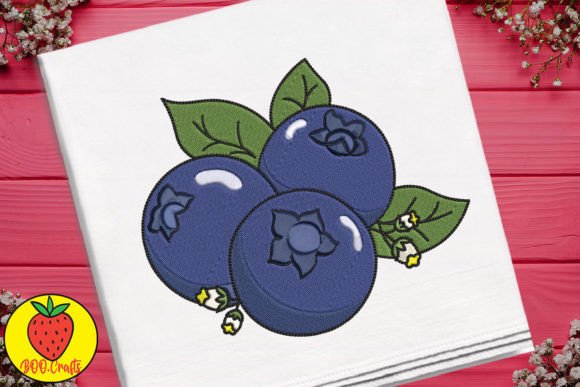
The layout of Cute Blueberry and Leaves strikes a wonderful balance between playful and rustic. The arrangement suggests a natural, slightly scattered cluster, which avoids feeling too rigid or sterile. This gives it an organic, hand-placed feel that boutique customers love. The mood is decidedly cute and feminine without being overly childish, leaning into a gentle, decorative charm. For a small shop product aiming for visual recognition, this inherent warmth is a significant asset.
The detail level appears thoughtfully done. The leaves have a suggestion of texture, and the berries themselves have a plump, dimensional outline. This implies a stitching personality that will be more engaging than a simple flat fill. On a finished product, especially on textured fabrics like fleece-backed sweatshirts, this should translate into a tactile, premium feel that elevates the basic garment.
Placement and Application: From Hoodie Chests to Sleeve Accents
For sweatshirt embroidery, placement is key. The Cute Blueberry and Leaves design has a compact yet impactful composition that works beautifully for classic chest placement on both standard and oversized hoodies. It’s bold enough to be a focal point but not so large that it overwhelms the garment. I also envision it as a perfect sleeve accent—a smaller version could create a delightful, repeatable pattern for a unique branded look.
As a back design on a cozy seasonal apparel item, it would certainly stand out. The cluster nature of the motif means it naturally fills a space without needing additional elements. For lifestyle product photography and mockup previews, this design offers excellent versatility. It pops against neutral sweatshirts like cream, oatmeal, or grey, providing a fresh, natural contrast. On dark fabric like navy or charcoal, the thread color contrast will be crucial, but the design’s solid forms should hold up beautifully, creating a sophisticated, slightly more muted statement. On pastel colors—think a soft mint or lavender hoodie—it leans fully into its cute, playful character.
Thread Colors, Density, and Fabric Considerations
The description confirms this is a gorgeous blueberry embroidery, so the thread colors will logically involve blues and greens. The success on different fabric backgrounds hinges on choosing shades with enough contrast. On dark fabrics, opting for a brighter, slightly saturated blue for the berries and a crisp green for the leaves will ensure readability and impact.
Stitch density is a silent but critical factor. A design destined for thick fabrics like hoodies must have a density that can penetrate the fabric texture without causing puckering or being too sparse. The description mentions it works on towels and canvas, which are also substantial materials, suggesting the embroidery file likely has a robust stitch build. However, for commercial embroidery use on a sweatshirt collection, I always remind fellow designers to verify the exact stitch count and recommended hoop size before production. A design that’s too dense on a heavyweight sweatshirt can become stiff; one that’s too light might look faded.
Hooping, Stabilizer, and Long-Term Durability
Fabric thickness directly affects stabilizer choice. For premium sweatshirts, a firm cutaway stabilizer is often my go-to to support the design and maintain its shape after repeated washes. The Cute Blueberry and Leaves design, with its presumably solid berry shapes, will need that foundational support to stay crisp. Small-size readability is another checkpoint. If the boutique wants to offer a mini version on a cuff or pocket, the leaf details must remain clear when scaled down—a quick test run is essential.
Hoop placement and alignment are straightforward with this type of clustered motif. It’s not an overly wide, sprawling design, so it should hoop efficiently, minimizing fabric waste in production. Ultimately, the question is whether it feels strong enough for commercial apparel use. Based on its described application across shirts, aprons, and hats, and its decorative yet solid construction, I believe it does. It’s a design that promises washing durability and a professional finish when executed with the right machine embroidery design techniques.
Building Brand Identity and Customer Engagement
For a small boutique brand, a design like this transcends mere decoration. It becomes a piece of the brand identity. Cute Blueberry and Leaves carries a natural, wholesome, and slightly rustic vibe that can tell a story about the brand’s values—perhaps focusing on simplicity, nature, or cheerful comfort. This visual recognition is powerful in a crowded market like Etsy or independent online shops.
When photographed on a model in a lifestyle setting, the embroidered sweatshirt immediately communicates a handmade product care and attention to detail. This builds buyer trust. It suggests the brand invests in quality design assets, not just generic clip art. That perceived increase in product value is tangible for creative entrepreneurs. Furthermore, the cute and approachable nature of the design fosters customer engagement. It’s easy to love, easy to gift, and easy to style, making it a versatile candidate for a successful limited drop.
In the hands of an apparel decorator or digital seller, this embroidery file is a flexible tool. It can anchor a whole sweatshirt collection, serve as a signature accent across various custom apparel items, or be used in printable mockups to test market response before stitching a single thread. Its charm is its adaptability, provided the technical foundations of the file are sound. As always, the final step is to confirm all specifications—file formats, licensing, and exact sizing—to ensure this cute blueberry cluster becomes not just a design, but a defining element of a boutique’s story.