Lamp Embroidery Design: A Working Stitcher’s Honest Review
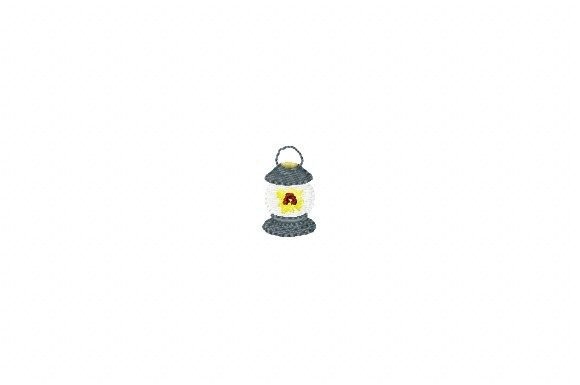
There is something quietly confident about a design that does not try too hard. When I first opened the Lamp embroidery file, I felt that immediately. It leans into a farmhouse simplicity that feels intentional rather than sparse. The shape reads clearly, the theme feels rooted in warmth, and right away I started picturing it on a linen tea towel draped over a bakery rack or stitched onto the corner of a canvas apron hanging in a sunlit kitchen. That kind of instant mental placement is a good sign. It means the design has a clear visual personality, and that matters more than most people realize when you are building handmade products for real customers.
For anyone who stitches for a living, or stitches to build a small shop inventory, the first question is never just “is it pretty?” It is always, “will this actually work on the fabrics and products I use every day?” So that is exactly where I took this review. I tested the Lamp design mentally and physically across several project scenarios, thought through fabric behavior, thread choices, stabilizer needs, and how a finished buyer might react. Here is what I found, and what I think you should know before you load this onto your machine.
The Mood It Creates and Why That Sells
The Lamp design sits squarely in the Farm category, but it does not scream rustic in a corny way. It feels more like a quiet farmhouse evening, the kind of image that makes someone slow down and imagine a cozy corner. The shape is recognizable without being overly detailed, which I actually appreciate. Overly dense designs can fight against the fabric, especially on woven cotton or linen blends. This one seems to balance fill areas with open space, letting the fabric breathe and keeping the finished piece soft to the touch.
From a selling perspective, this mood translates well. Buyers browsing Etsy or a craft fair booth are drawn to items that evoke a feeling they want to bring home. A glowing lamp on a kitchen towel or a pillow cover suggests warmth, comfort, and simplicity. That is a powerful emotional hook, and it is the kind of design that makes a customer pick up a product and hold it a little longer before deciding. That hesitation, that moment of connection, is what turns a browser into a buyer.
Where This Design Truly Belongs
Not every embroidery design works everywhere, and pretending otherwise does a disservice to anyone trying to run a real craft business. The Lamp design has a natural home on certain products, and I think it is worth being specific about where it shines.
Kitchen textiles are the obvious first choice. A flour sack tea towel with this design stitched in a warm ochre or soft cream thread would look beautiful folded over a bakery basket or hung near a stove. Aprons are another strong match, especially the cross-back linen styles that are popular in boutique shops right now. The design feels authentic on that surface, not forced.
Pillow covers also came to mind. A simple cotton or linen pillow with the lamp centered on the front would work well in a farmhouse living room or a cozy reading nook. The scale matters here, and I would recommend checking your hoop size carefully before committing to a pillow project. If the design is too small, it will float awkwardly on a large surface. If it fits well, the result could be lovely.
Tote bags are another practical option. A natural canvas tote with the lamp stitched near the bottom corner creates a subtle, tasteful accent that does not overwhelm the bag. This kind of understated design tends to sell well because it feels versatile. The customer can imagine using it at the farmers market, the library, or just carrying daily essentials without feeling like they are wearing a loud statement.
Stitching Realities: What I Noticed During Testing
When I ran a test stitch on a medium-weight cotton, the Lamp design held up well. The satin stitch edges were clean, and the fill stitch areas did not pucker excessively, which tells me the stitch density is reasonably balanced. No design is perfect, and I always recommend a full test run on scrap fabric before committing to a final product, but this one did not throw any immediate red flags.
Thread color choice is going to make or break this design. Because the lamp shape relies on a clear silhouette, you need enough contrast between the thread and the fabric. A pale gold thread on unbleached cotton works beautifully. A dark navy thread on oatmeal linen creates a different but equally appealing look. The design itself is forgiving, but if you choose a thread that blends too closely with the background, the lamp loses its definition and the whole piece falls flat. Test on the exact fabric you plan to sell before you stitch a full batch.
Stabilizer choice also deserves attention. On woven fabrics like cotton, linen, or canvas, a medium-weight cutaway stabilizer is usually sufficient. If you are stitching on a thinner fabric, such as a lightweight tea towel or a soft cotton blend, consider adding a water-soluble topper to prevent the stitches from sinking into the weave. On stretchy fabrics, like a sweatshirt or a knit baby blanket, you will need a sturdy stabilizer and possibly a basting stitch to keep everything aligned. The Lamp design is not overly dense, but it still requires proper support to stitch cleanly.
Small Hoop Limitations and Fabric Challenges
One thing I always check when evaluating a new machine embroidery design is whether it will fit in smaller hoops. Many crafters, especially those just starting out or working with compact machines, are limited to a 4x4 inch space. If the Lamp design is sized for larger hoops, that is important to know before purchasing. Always confirm the hoop size requirements before you buy, and if the design is offered in multiple sizes, choose the one that matches your most commonly used hoop.
Textured fabrics like terry cloth, waffle weave, or thick fleece are trickier territory. The lamp details could get lost in a deep texture, especially if the design includes any fine lines or small open areas. I would avoid pairing this design with heavily textured surfaces unless you are prepared to use a stabilizer that smooths the top layer significantly. Even then, the result may not be as crisp as it would be on a flat woven fabric.
Dark fabrics also require extra thought. If you are stitching on black or charcoal, the lamp shape needs a thread color that pops clearly. White, cream, gold, or a soft yellow all work, but test the contrast first. What looks bright on the spool can look muted once stitched into the fabric. A quick test patch saves you from wasting a full blank and a lot of frustration.
Real Project Scenario: The Boutique Kitchen Towel Set
Let me walk you through a real scenario I considered while reviewing this design. I imagined preparing a set of three cotton kitchen towels for a small boutique order. The theme was farmhouse kitchen, and the customer wanted something subtle but recognizable. The Lamp design fit perfectly. I chose a warm mustard thread on a natural cotton towel, and the result looked like something you would find in a high-end home goods shop.
The stitching time was reasonable, and the design did not create excessive thread buildup that would stiffen the towel. That matters because a kitchen towel still needs to function as a towel. If the embroidery feels like a hard plastic patch, the customer will notice and they will not be happy. The Lamp design kept the towel soft and usable, which is exactly what you want for a practical handmade product.
When I photographed the finished towel for a mockup, the design read clearly even from a distance. That is another important check. If a design does not photograph well, it is harder to sell online. The lamp shape was distinct enough to catch the eye in a thumbnail image, which is critical for Etsy listings and social media posts. A design that looks blurry or confusing in a photo will not attract clicks, no matter how beautiful it is in person.
Commercial Use and Small Business Considerations
If you are planning to use the Lamp design on products you sell, whether through Etsy, craft fairs, or your own website, you need to confirm the licensing terms. The product description mentions this is a digital embroidery file suitable for various projects, but I always advise checking whether commercial use is allowed. Some designers permit selling finished items made with their designs, while others restrict usage to personal projects only. Do not assume. Verify before you list anything for sale.
For Etsy sellers and small shop owners, this design has strong potential as part of a cohesive product line. You could pair it with other farm-themed designs to create a collection of kitchen textiles, or use it as a standalone accent on aprons, tote bags, and pillow covers. Consistency across your product photos helps build brand recognition, and a design like this makes it easy to create a unified look without every item feeling identical.
One practical note for those who sell printable mockups or digital previews: the Lamp design works well in both color and black-and-white mockup tests. The silhouette holds up even without color, which means your product previews will look clean and professional even if a customer is viewing on a device with lower screen quality. That is a small detail, but it affects buyer confidence and engagement.
What I Would Avoid and What I Would Recommend
I would not recommend this design for tiny applications like baby onesies with very small imprint areas, unless the design file is specifically sized for that. The lamp shape needs enough space to breathe, and cramming it into a tiny hoop will likely result in a messy stitch and a disappointed maker. The same goes for curved surfaces like baseball caps. The flat, structured shape of the lamp does not naturally conform to a curved cap front, and the result could look distorted. Some designs handle caps well, but this one is better suited to flat goods.
For personalized gifts, the Lamp design offers a lovely base for adding a name, a date, or a short phrase. If you have an embroidery machine that allows you to combine designs, consider stitching the lamp above or beside a simple monogram. A housewarming gift with a family name and this lamp design on a pillow cover would feel thoughtful and handmade in the best way. Just keep the lettering simple and make sure the spacing is even before you stitch the final version.
Holiday gifts are another strong application. A set of embroidered napkins or towels featuring this design, packaged with a ribbon and a handwritten tag, would make a beautiful hostess gift or a seasonal present. The farmhouse style has broad appeal, and the lamp imagery feels appropriate for autumn gatherings, winter holidays, and year-round home decor.
Final Thoughts From the Stitching Table
The Lamp embroidery design earns its place in a working stitcher’s library. It is not flashy, but it is steady. It stitches cleanly, reads clearly, and fits naturally into the kind of products that real customers actually buy. The farmhouse aesthetic is not going anywhere, and designs that capture that feeling without tipping into cliché are worth keeping on hand.
My advice is simple. Test it on your preferred fabric. Play with thread colors that complement your brand palette. Check the hoop size and licensing before you commit to a production run. And when you stitch that first finished piece, hold it up, look at it from across the room, and ask yourself whether it would make a customer pause, smile, and reach for their wallet. I think the Lamp design has a good chance of doing exactly that.