Green & Yellow Flower Wreath: A Craft Fair Standout
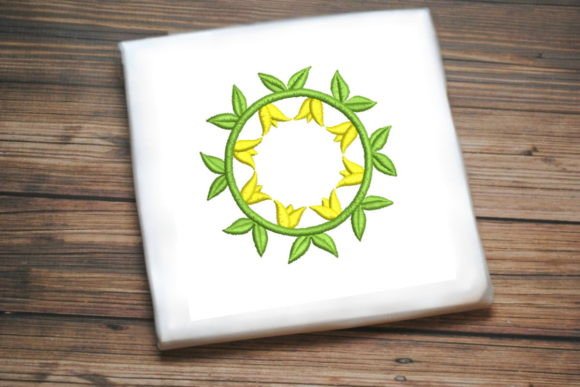
Let’s talk about the Green Yellow Flower Wreath. As an embroidery designer preparing for a weekend market, I’m looking at this design with a very practical eye: how does it turn into products that sell? First impressions are key on a crowded craft fair table, and this design immediately strikes a cheerful, elegant balance. It feels decorative and premium, with a soft, rustic charm that fits beautifully into the farmhouse and modern handmade aesthetic many customers are drawn to. It’s not overly bold or minimal—it sits in that sweet spot of being recognizably beautiful and versatile.
Where This Floral Wreath Shines on Products
My booth table is a mix of tote bags, aprons, tea towels, caps, patches, pouches, and pillow covers. The Green Yellow Flower Wreath isn’t a one-product wonder; its circular composition makes it adaptable. Here’s where I see it performing exceptionally well.
On tote bags and market bags, it becomes a gorgeous focal point, centered or placed on one side. The wreath format gives it a natural completeness that customers notice instantly. For apron embroidery or kitchen towels, it adds that touch of elegant homemaking without being fussy. Stitched onto a pillow cover, it transforms a simple item into a decorative home accent. This versatility is a huge asset for batch production.
As an embroidered patch, it offers fantastic potential. Patches are hot right now, and this floral wreath could be applied to denim jackets, canvas bags, or even sold as a standalone iron-on item. Its clear, circular shape ensures it remains identifiable even at a smaller size. On caps, however, caution is needed—the curved surface can distort a circular design, so placement and stabilizer choice are critical.
Practical Production for the Busy Maker
The description says it’s fun and easy to stitch, which is the first thing I look for when planning craft fair products. A design that stitches out reliably saves time and thread, which means I can produce more units for my booth. For a wreath, stitch density in the flower centers and leafy areas is my main concern. Dense areas on textured towels or thick fabrics like canvas require a good, sturdy stabilizer to prevent puckering and maintain that “high-quality” look promised in the description.
Before I run any batch, I always test the embroidery file on scrap fabric—preferably the same fabric I’ll use for my final products, like cotton canvas for totes or linen for tea towels. I check thread contrast: will these green and yellow shades pop on a dark fabric? Sometimes a design described as working on “any fabric” needs a brightness adjustment for dark backgrounds. I also review the spacing and detail level. Are there tiny elements that might lose clarity on a small pouch or a cap? A quick stitch-out tells me everything.
Photographing for Online and Booth Appeal
For my Etsy listings and printable mockups, this wreath is a winner. Circular, symmetrical designs photograph beautifully because they create a sense of balance. They look professional in listing photos, enhancing the perceived value of the handmade product. In the booth itself, having a sample tote bag or pillow with the Green Yellow Flower Wreath prominently displayed creates a strong visual anchor. Customers engage with cohesive branding; if my table has several items featuring this design, it tells a story of a confident, focused collection.
Customer Attention and Perceived Value
A floral wreath like this speaks to a wide audience. It’s not seasonal, not gender-specific, and inherently giftable. When a customer sees it on a tea towel, they might imagine it in their kitchen. On a pouch, it feels like a special accessory. This emotional connection drives sales. The handmade quality is evident in the detailed floral work, and it feels repeatable without looking mass-produced because each stitched item will have its own character based on fabric choice and thread sheen.
For commercial embroidery, the key is confirming the licensing terms of the digital embroidery file before selling finished products. I never assume—I always check. Does my license allow me to sell the physical items I make at a craft fair? That’s a fundamental step for any small shop product.
Final Notes Before the Hoop Hits the Fabric
My preparation list for the Green Yellow Flower Wreath is straightforward. Confirm the recommended hoop size from the design details to ensure my machines are set up correctly. Create at least one real, physical mockup on my intended best-selling product—probably a tote bag—to judge its impact in person. Compare how it looks on a few fabric colors: classic cream, natural linen, and perhaps a soft slate blue. This informs my production palette.
Ultimately, this design feels like a reliable partner for a busy craft fair weekend. It’s elegant enough to attract customers looking for a premium handmade gift, and rustic enough to fit the warm, creative atmosphere of a maker’s market. By focusing it on products where its circular composition is a strength—totes, pillows, patches—and being mindful of its application on tricky surfaces like caps, the Green Yellow Flower Wreath can become a cornerstone of a strong and profitable booth display.