Fog Lettering: A Designer's Review for Business Merch
The Quiet Power of the Fog Lettering Design
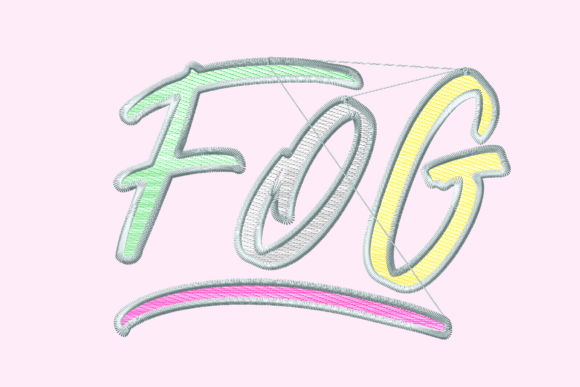
When I first examined the preview of the Fog Lettering machine embroidery design, I was immediately struck by its atmospheric depth. The name itself evokes a soft, muted landscape—a misty morning that feels both nostalgic and refreshingly modern. This isn't a loud, aggressive graphic; it is a whisper of texture that promises to translate beautifully into a tangible, branded product. For a small business owner, the visual personality of Fog Lettering sits perfectly at the intersection of vintage charm and contemporary minimalism.
The description highlights a beautiful satin stitch, which is always music to an embroidery designer's ears. Satin stitches lend a particular sheen and smoothness that elevates simple lettering into a premium asset. The "fog" theme suggests a delicate, slightly distressed or softened edge, making it ideal for the autumn season. It doesn't scream "resort wear" or "summer brights"; instead, it whispers "cozy café," "artisan bakery," and "handmade studio." This is a design that feels professional, deliberate, and incredibly versatile for a seasonal merchandise drop.
Why Satin Stitches Elevate Branded Merchandise
In the world of custom apparel and promotional products, the stitch type can make or break a brand's perceived value. The satin stitch featured in Fog Lettering is a powerhouse for small business merch. It creates a dense, glossy line that looks expensive. When a customer runs their fingers over a cap or a tote bag, they feel the weight of the quality. It transforms a simple cotton tee into a boutique item.
For apparel decorators and Etsy sellers, this is a critical distinction. A standard fill stitch can look flat and industrial, whereas a satin stitch lettering design catches the light and draws the eye. The Fog Lettering design, with its suitability for both vintage and modern styles, offers a chameleon-like quality. You can use it on a faded, retro garment to enhance the rustic feel, or on a crisp, structured jacket to add a sleek, decorative accent. It bridges the gap between a handmade product and a commercially viable, polished brand asset.
Where Fog Lettering Shines for Small Businesses
Let’s picture a real-world scenario: a local florist wants to launch a limited-edition autumn collection. They need a logo mark that feels organic and seasonal without being tacky. Fog Lettering is the perfect candidate. The soft, atmospheric nature of the design complements natural fabrics like linen and canvas beautifully. Here are the prime applications where I see this embroidery file thriving:
- Tote Bag Design: A large, central placement on a natural canvas tote creates an instant heirloom feel. It’s the kind of bag customers reuse, providing free advertising.
- Apron Embroidery: For a baker or a barista, a chest logo in Fog Lettering adds a touch of artisanal expertise. It looks stunning on textured aprons in muted colors like olive, cream, or rust.
- Branded Patch: Stitching this out as a standalone patch for a custom workwear jacket or a cap is a smart move. It allows for flexible placement and can be sold as a standalone product attachment.
- Fall Merch Line: The product category is Autumn, and this design is a hardworking seasonal staple. It works wonders on thermal long sleeves, beanies, and even cozy throw blankets for a boutique home goods collection.
Whether you are creating staff uniforms for a boutique hotel or printing on-demand merch for a local craft fair, this design slot machines nicely into the "elevated basic" category. It also works beautifully as a subtle sleeve detail or a back neck accent on a work shirt.
When to Scale Back: Sizing and Material Constraints
As a professional embroidery digitizer, I have to look at the practical limitations of any design before running it on a commercial machine. The Fog Lettering design has a lot of potential, but it requires a careful hand. The satin stitch, while beautiful, can become problematic if the stitch density is too high.
If the design features tiny lettering or intricate serifs, you must avoid scaling it down too small. When you shrink a dense satin stitch design, the needle can perforate the fabric like a dotted line, causing the material to tear away. This is a common pitfall for those trying to use it on cap fronts or small curved surfaces. The "fog" effect might clog up with thread if the detail is too fine, turning a soft mist into a solid, unreadable blob.
You must also be cautious with textured fabrics. A heavy corduroy or a thick knit will swallow the refined edges of the satin stitch. If you are planning to use this on dark uniforms, the contrast between the thread and the fabric is crucial. A light gray "fog" thread on a dark navy shirt will pop, but a dark gray thread on a black shirt will lose all definition. Always respect the fabric texture and the hoop size limits to ensure the finished product matches the digital preview.
Building Brand Trust with Seasonal Textures
Why does a design like Fog Lettering matter for a small business? Because brand identity is built on consistency and emotional connection. When a customer buys a product with a rough, cheap-feeling print, they associate that quality with your brand. However, when they receive a product with a soft, tactile, beautifully stitched satin logo, they immediately trust that your brand produces high-quality goods.
The aesthetic of "fog" naturally implies comfort, warmth, and authenticity. It’s a psychological trigger for the fall season. For a handmade brand or a craft business, this design increases product value significantly. It tells a story. You aren't just selling a T-shirt; you are selling the feeling of a foggy autumn morning. This deepens customer engagement and encourages repeat buyers. By using this as a consistent design asset across your tote bags, aprons, and packaging, you create a visual signature that sets you apart from mass-produced competitors.
Essential Prep Steps Before the First Stitch
Before you load this digital embroidery file onto your machine, I urge you to follow a strict protocol. This is what separates a professional result from a costly mistake. Your first step is not to stitch on the final branded garment, but to create a test sample.
Here is my practical checklist for any shop owner or handmade business owner working with Fog Lettering:
- Run a Black and White Test: Stitch the design in black thread on white fabric. This reveals flaws in the spacing and density that might be hidden by color. If the "fog" texture collapses into a solid block, you know it needs adjustment.
- Check Small Patch Viability: If you intend to use this for an embroidered patch, test the smallest recommended size. Ensure the satin stitch doesn't gap or overlap.
- Select the Right Stabilizer: For almost all garment applications, use a quality cutaway stabilizer. For caps, a heavy tearaway is necessary to hold the shape. Do not skip the backing, or the design will warp after the first wash.
- Review Thread Color Contrast: The description mentions a beautiful satin finish, but the magic is in the color choice. For a true "fog" look, I recommend a matte art silk or a soft rayon thread. Avoid high-sheen polyester if you want to maintain the vintage aesthetic.
- Create a Printable Mockup: Before you spend hours stitching, create a digital mockup for client approval. Place the design on a photo of the actual garment. This manages expectations and prevents disputes over placement.
- Confirm Commercial Licensing: The product description does not include specific license terms. Before you stitch this on a single item for sale, you must verify the commercial embroidery license attached to the file. Not all digital files are licensed for business use.
- Check the Specs: The listing currently does not provide the exact stitch count, file format, or precise hoop size. As an experienced designer, I advise you to contact the seller or check the file details immediately after download. Knowing the stitch count is essential for pricing your jobs accurately.
The Bottom Line for Makers and Merch Creators
As a design asset, Fog Lettering is a strong candidate for any small business looking to capitalize on the autumn season. It is a versatile, atmospherically rich machine embroidery design that offers a distinct departure from heavy, inflexible graphics. The satin stitch promises a high-end finish that elevates simple apparel into a premium product line.
However, it demands respect for the textile medium. It is not a "one-size-fits-all" solution. You must be willing to test the stitch density on your specific fabric, adjust your stabilizer strategy, and respect the limits of the design regarding cap fronts and tiny patches. If you treat this design as a premium, artistic element rather than a generic logo, it will reward you by significantly boosting the perceived value of your custom apparel. For Etsy sellers, merch creators, and boutique owners, this is a beautiful, professional design that will make your fall collection truly special.