Dancing Halloween Skeleton: A Designer's Appraisal
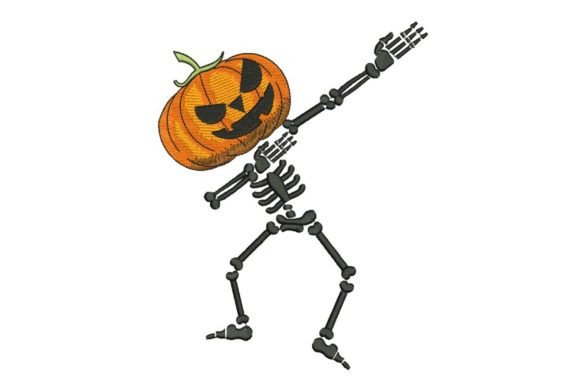
From the first glance at the title, "Dancing Halloween Skeleton," a clear mood is set. It’s playful, spirited, and instantly evokes the lighter side of the season. For a boutique sweatshirt drop, this immediate emotional connection is invaluable. It’s not a scary ghost; it’s a skeleton having fun. That personality is precisely what small clothing brands and Etsy sellers want to capture in their seasonal collections.
The Design's Personality on Premium Fabric
As a professional embroiderer preparing a limited collection, my first concern is translating this digital embroidery file from screen to stitch. The description promises elegance and gorgeous results on any fabric, which is a bold claim. My immediate impression is that this design's success hinges on its layout and detail level. A dancing figure suggests motion and a certain complexity. On a neutral sweatshirt—say, a cream or oat-colored premium cotton blend—this Dancing Halloween Skeleton would pop with delightful contrast. The key will be thread color selection.
Choosing a monochrome scheme, perhaps a matte black or charcoal, would yield a chic, almost minimalist decorative effect. Alternatively, introducing a single accent color for a bow or a hat could tilt the design toward cute or feminine. On dark fabrics like charcoal or navy hoodies, using bright, high-contrast threads (white, silver, a vibrant orange) would make the design bold and graphic, perfect for a cozy, oversized hoodie intended as a statement piece.
Placement & Practicality for Boutique Merchandise
Sweatshirt embroidery requires thoughtful placement. For chest designs, typically left or center, the Dancing Halloween Skeleton needs to be sized appropriately to maintain readability without overwhelming the garment. For a back design on a sweatshirt, a larger scale could be magnificent, turning it into a true lifestyle product photography hero. Sleeve accents are a trendy option, but this would depend entirely on the design's density and whether it remains clear at a smaller scale.
This leads to the core practical concerns for any commercial embroidery project: stitch density and fabric thickness. A high-quality machine embroidery design meant for apparel should have optimized stitch density. Too dense, and it becomes stiff and uncomfortable on a soft sweatshirt; too light, and it may lack durability and visual punch. The fabric texture—whether a smooth french terry or a brushed fleece—also dictates stabilizer choice. A sturdy cutaway stabilizer is often my go-to for heavyweight sweatshirts to ensure the design holds its shape through wear and washing.
Ensuring a Premium, Handmade Presentation
The promise of an "elegant and gorgeous" finish is what separates boutique brands from generic decorators. To achieve this, hoop placement is critical. Perfect alignment and tension prevent puckering, which is the enemy of a premium look. The design must also feel strong enough for commercial apparel use. Does it have clean, continuous lines? Are there tiny, fragile details that might not survive a customer's washing machine? These are the questions I ask before committing a design to a production run.
Using Dancing Halloween Skeleton on pastel sweatshirts—a soft lavender or mint—could create a wonderfully unexpected, playful aesthetic. This versatility directly affects product value and buyer trust. When a customer sees a crisp, well-executed embroidery on a handmade product, it signals care and quality. It builds brand identity and visual recognition. For an Etsy seller, a beautifully stitched sample is the best asset for their listing, far superior to a generic printable mockup.
From Digital File to Customer Engagement
The journey from a digital embroidery file to a finished product is where the magic happens for creative entrepreneurs. A design like Dancing Halloween Skeleton isn't just a graphic; it's an experience stitched into fabric. When executed well, it becomes a decorative, conversational piece. It can feel rustic if stitched with a slightly textured thread on a natural fabric, or it can feel sleek and modern on a crisp, dark hoodie.
For custom apparel branding, this design offers a seasonal touch without being overly niche. It's Halloween, but the dancing motif keeps it light and wearable beyond just October. This expands its appeal. However, a crucial reminder: the description provided lacks specifics on stitch count, exact file formats, or recommended hoop size. Before any production, a small shop owner must test the design file on similar fabric to check small-size readability and confirm these technical details.
Final Verdict for a Seasonal Drop
Overall, Dancing Halloween Skeleton presents a compelling opportunity for a limited sweatshirt drop. Its inherent mood is playful and engaging, which aligns perfectly with seasonal, community-focused brands. Its potential to look elegant hinges entirely on the embroiderer's skill and attention to those practical details—thread contrast, stabilizer, and perfect placement. When those are mastered, this design can elevate a simple sweatshirt into a coveted, handmade seasonal item that resonates with customers and strengthens a boutique's brand story.