A Designer's Review of the Green Leaves Branch Embroidery File
As someone who creates embroidered goods for both my own shop and for client commissions, I spend a lot of time evaluating digital embroidery files. The promise of a design that is "fun and easy to stitch" and will look "elegant and gorgeous" on any fabric is attractive, but the real test happens in the hoop. Having considered the Green Leaves Branch design from Creative Fabrica for several upcoming projects, I wanted to share a practical, hands-on perspective for fellow makers.
First Impression: Where This Design Finds Its Home
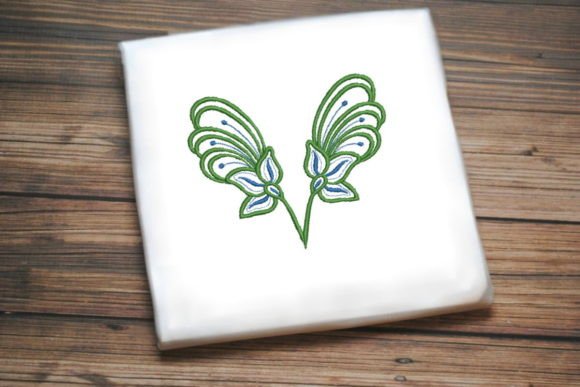
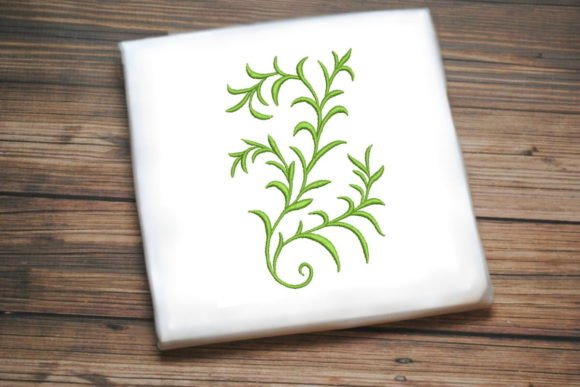
The Green Leaves Branch immediately presents a serene, natural aesthetic. It falls into the Single Flowers category, but its composition suggests more of a graceful botanical element. The mood is classic and versatile, leaning towards decorative rather than bold statement. This isn't a dense, highly textured forest scene; it's a delicate branch that brings a touch of organic elegance. Its stitching personality feels suited to projects where you want a beautiful accent without overwhelming the base item.
In my initial assessment, I visualized it on a range of products. It naturally fits home decor pieces like pillow covers and kitchen towels, adding a subtle handmade touch. For custom apparel, it could elevate a simple tote bag or the corner of an apron with understated charm. Its style also lends itself well to nursery decor and baby items, like a subtly embroidered blanket, where soft, natural motifs are often preferred. For Etsy sellers and boutique owners, this design could serve as a consistent, reliable asset for a line of nature-inspired goods.
Performance in Real Project Scenarios
When you're running a business or fulfilling custom orders, a design's practicality is paramount. Let's walk through some common applications.
For tote bags and sweatshirts, the Green Leaves Branch should integrate well, provided the stitch density is appropriate. You'll want to test on scrap fabric first, especially for sweatshirts which are stretchy. A good stabilizer is key here. On caps, the curved surface can be tricky; the design's potential success depends on its overall size and how the stitches are distributed. If there are small, intricate leaf details, they might require careful attention on a curved canvas.
Considering baby blankets and kitchen towels, which endure frequent washing, the integrity of the stitches is crucial. A design with balanced density and secure satin or fill stitches will hold up better. Again, testing is non-negotiable. For embroidered patches, this botanical motif could be lovely, but you must inspect the small details after stitching to ensure crisp edges that will withstand application.
On dark fabrics, the elegance of the Green Leaves Branch will rely heavily on thread color contrast. I would strongly advise comparing light and dark fabric mockups digitally, or doing a small physical test, before committing to a customer's dark item. The "any fabric" claim is generally true, but the visual impact varies dramatically with background color.
Affecting Product Value and Customer Perception
Using a high-quality embroidery file like this one directly impacts your finished product. A clean, well-executed Green Leaves Branch on a pillow cover or apron enhances its perceived value. It signals care and skill, which builds buyer trust. For handmade shops, this kind of consistent, attractive detailing strengthens your brand's presentation.
As a personalized gift, an item featuring this design feels thoughtful and crafted, increasing its giftability. In product photography for your Etsy listings or website, such an embroidered detail adds a focal point of texture and color, improving customer engagement with your images. For commercial embroidery services, having a portfolio of reliable, aesthetically pleasing designs like this one allows you to offer clients a wider range of tasteful options.
Essential Practical Notes Before You Stitch
My strongest advice is to treat every new design as a prototype for your specific use case.
- Always test on scrap fabric that matches your final project's material—whether it's textured, stretchy, or delicate.
- Check thread color contrast thoroughly. A green branch might need a brighter or darker thread on certain backgrounds to retain its gorgeous look.
- Review stitch density in the file previews or by running a test. Areas that are too dense can cause puckering, while too light might look sparse.
- Confirm the hoop size required. This is critical for placement on items like caps or small baby blankets. The product details on Creative Fabrica should specify this; if not, you may need to open the file in your software to check.
- Use the proper stabilizer for your fabric type. This simple step makes the difference between a professional result and a disappointing one.
- After stitching, inspect small details like leaf tips or stem lines. This ensures the final product meets your quality standard.
Finally, and this is vital for anyone selling finished items, confirm the file details and licensing on the Creative Fabrica product page before selling. Understand the terms of use for the digital embroidery file regarding commercial embroidery and resale of handmade products. This protects your business and respects the designer's work.
Is Green Leaves Branch Worth Using?
From a professional designer's viewpoint, the Green Leaves Branch appears to be a strong candidate for projects requiring a touch of natural, elegant decoration. Its described qualities suggest it could be straightforward to work with, which is a significant advantage when managing production time. Its versatility across home decor, apparel, and gifts makes it a useful asset in a maker's digital library.
The ultimate judgment, however, will always come from your own hoop and your specific project needs. For a custom order like a tote bag for a garden club or a set of embroidered kitchen towels as a gift, this design has the potential to deliver exactly that elegant result. Approach it with the standard professional precautions—test, check, inspect, and verify licensing—and it could become a reliable part of your creative workflow for crafting beautiful, handmade products.